The Guardian
6 hours ago
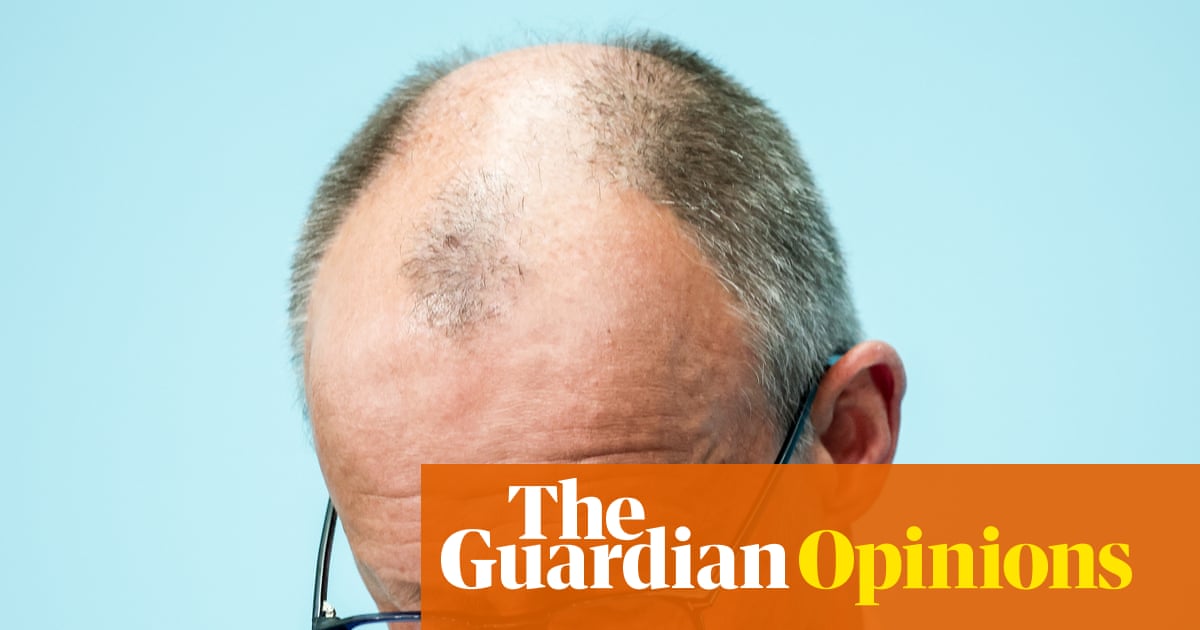
A failure to address widespread economic insecurity, and a crisis in living standards, is allowing the far right the harness a growing protest voteAfter less than a year and a half in office, Germany’s beleaguered chancellor, Friedrich Merz, is already looking like a lame duck leader. Anticipating dire results in two state elections which were held on Sunday, Mr Merz cancelled a planned speech at this week’s United Nations general assembly in order to plot an emergency response. A night of extraordinary humiliation for his conservative Christian Democratic Union party (CDU) must have confounded even his own low expectations.In the eastern state of Mecklenburg-Western Pomerania, the far-right Alternative für Deutschland party (AfD) won its second regional election this month with 38% of the vote. The CDU meanwhile recorded its worst result since the second world war, failing even to meet the 5% threshold for representation in the state parliament. Mr Merz took over the leadership of the CDU promising to see off the threat of the AfD. Instead it has ascended to a menacing and unprecedented position of electoral strength, and enjoys a comfortable lead in national polls.Do you have an opinion on the issues raised in this article? If you would like to submit a response of up to 300 words by email to be considered for publication in our letters section, please click here. Continue reading...
New facilities for witnesses who have been sexually assaulted are a step towards halving violence against girls and women The creation of specialist courts to try rape and serious sexual offences in England and Wales is a welcome recognition from the government that the status quo is unacceptable. Victims, the vast majority of whom are women and girls, are being failed by a system that too often appears blind to the obstacles in the way of anyone who wants to see a perpetrator brought to justice. In 2025, rape cases took an average of 424 days after they had reached the crown court. Added to pre‑trial delays, this means thousands of lives being placed on hold for years.Long waits are simply unendurable in many cases; a rape review ordered by Conservative ministers in 2021 found that the proportion of complainants dropping out of cases had risen from 25% to 43% in five years. As well as the harm caused to individuals, there is an obvious impact on public safety when perpetrators go unpunished, and chances to rehabilitate them are missed.Do you have an opinion on the issues raised in this article? If you would like to submit a response of up to 300 words by email to be considered for publication in our letters section, please click here. Continue reading...
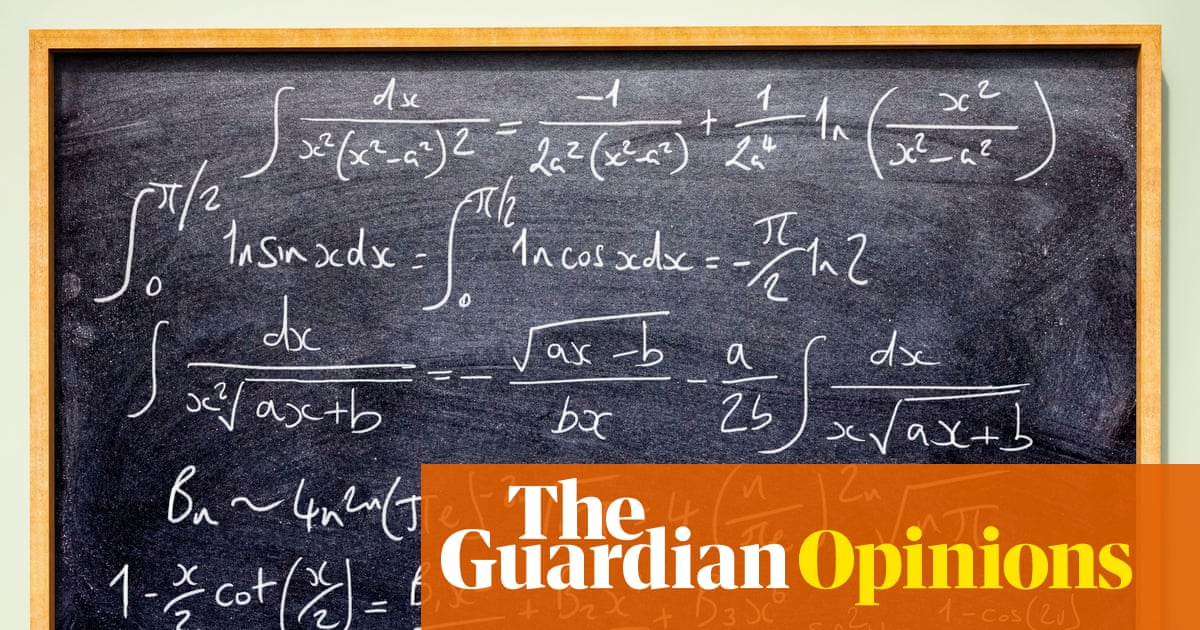
OpenAI claims its agents have solved the Navier-Stokes problem. But questions remain about how useful and independent its work really isOn 8 September, OpenAI claimed that its AI agents had solved the Navier-Stokes problem, one of the most famous and difficult challenges in mathematics. Had a human solved it, they would have collected both prize money and plaudits from their fellows. The announcement instead ignited what some mathematicians have called an “existential crisis” in their field over the power of AI, and accusations that OpenAI misused human work.The maths behind Navier-Stokes is difficult to understand, but the critiques levelled by mathematicians will be familiar to artists, office workers, or anyone else concerned about AI. OpenAI’s results, like any arising from a large language model, depend on digesting work by human mathematicians. The OpenAI paper cites sources, but many believe the company didn’t give sufficient credit, especially to several mathematicians believed to be very close to a solution – bad form that erases human ingenuity and hogs all the glory. The mathematician Tristan Buckmaster also has concerns that work he was doing on Navier-Stokes using OpenAI’s Codex model was seen by the OpenAI team. OpenAI has denied directly accessing this material, but could not rule out that data from Buckmaster’s use of their products “helped improve our model”. Continue reading...
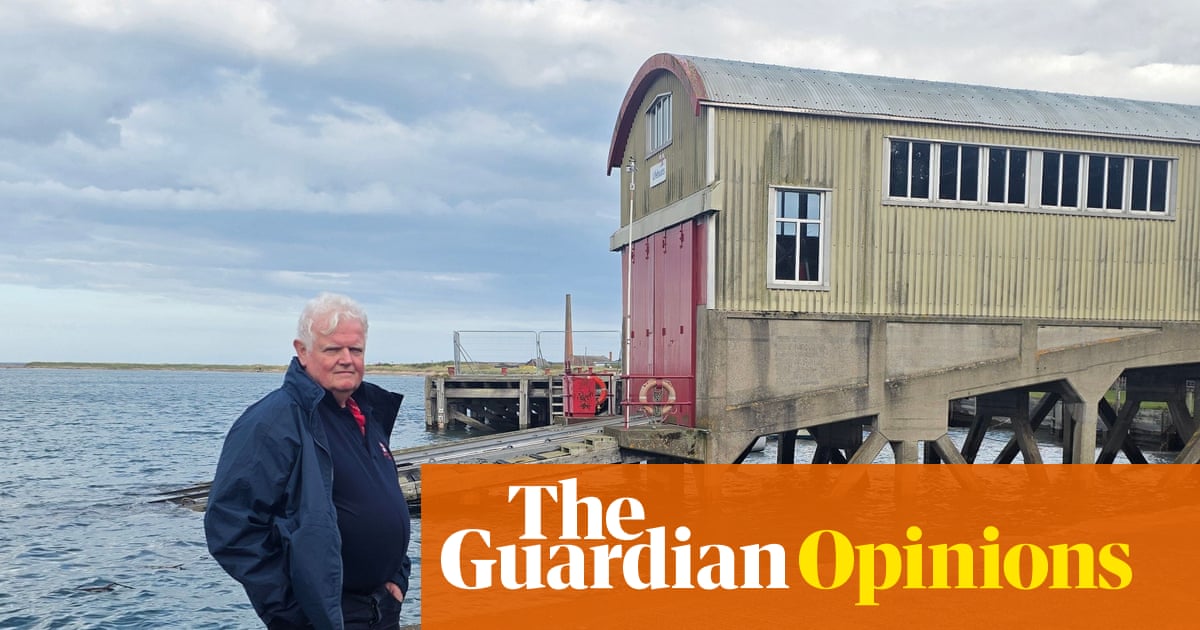
The compelling documentary series is drawing to a close. But following people from childhood raises difficult ethical questionsIn 1963, a television crew documented the lives of 14 children. Michael Apted, then a young researcher, saw Seven Up! as an opportunity to expose the British class system, juxtaposing public schoolboys with counterparts from children’s homes and council estates. Seven years later, Apted returned to direct an update – then went back again, and again. For the most part, his subjects followed the socioeconomic paths one might have predicted. But what emerged over the decades was much more piercing and poignant than initially envisaged. It turned out – as its participants have noted – that the programme was as much about life itself as class.The final instalment, 70 Up, currently being shown in two parts on ITV, is extraordinarily moving. We know that the children we see in the original footage will struggle with divorce, bereavement, depression, homelessness, redundancy and ill-health. Two of the original participants, and Apted himself, have died; Nick Hitchon, the boy from a Yorkshire farm who became an expert in nuclear fusion, gave a final interview days before his death. Yet these closing episodes, directed by Asif Kapadia, also capture deep joys such as parenthood, and the satisfaction of the self-knowledge they have earned. There are no simple arcs of redemption or tragedy, but something more muddled and nuanced. Continue reading...
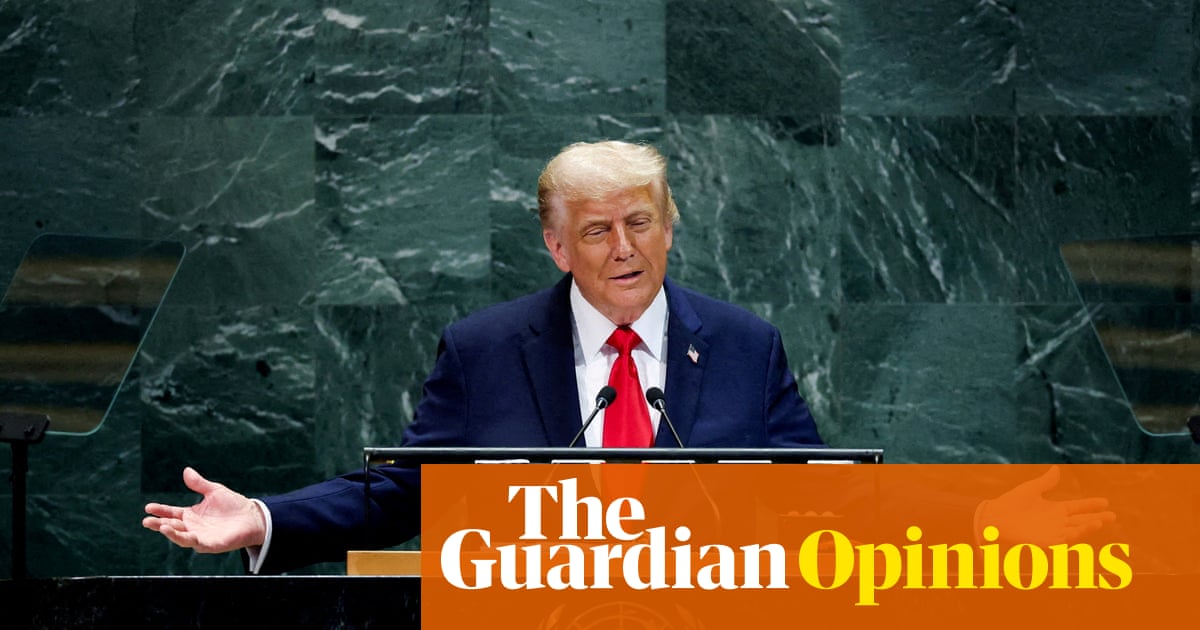
As the organisation meets this week, it remains the best hope for restoring order. But it relies on goodwill from the US president – and that is lackingIf all goes to plan, at some stage in the coming weeks 15 diplomats will emerge from a small sound-proofed room deep in the bowels of the United Nations headquarters in New York and announce the organisation’s next secretary-general.The person they choose will face a combination of challenges unlike any that their predecessors have had to deal with. Two of the security council’s permanent members, the US and Russia, are engaged in wars of choice that have no end in sight. A UN commission of inquiry has accused Israel of committing genocide in Gaza, but the UN has effectively been reduced to the role of bystander, pushed out by Donald Trump’s Board of Peace. The climate crisis is creating a cascade of new humanitarian disasters, while every day now seems to bring a new security threat caused by the unregulated rise of AI.Steve Bloomfield is the former international editor of the Observer and a previous winner of the Orwell prizeDo you have an opinion on the issues raised in this article? If you would like to submit a response of up to 300 words by email to be considered for publication in our letters section, please click here. Continue reading...
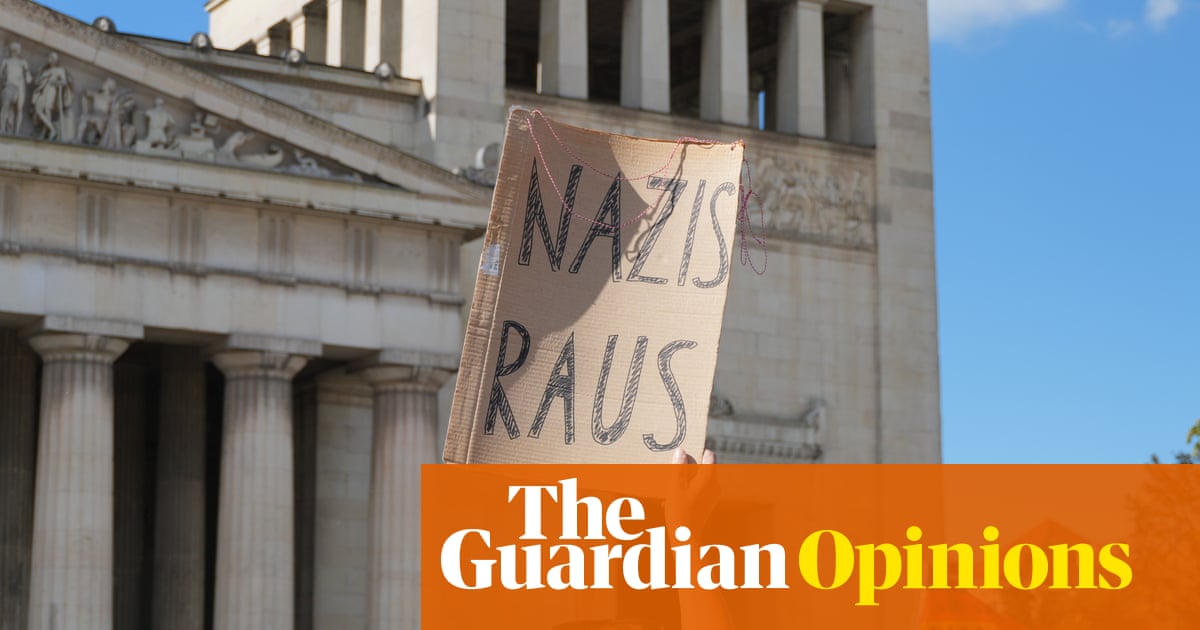
Instead, constrain it legally and fight it politically. The world is watchingFar-right nationalist populist parties are making the running everywhere from Washington to Warsaw. So why be so alarmed about a little regional electoral victory for one such party, the Alternative für Deutschland (AfD), in one federal state, Saxony-Anhalt? “Because it’s Germany!” is the almost instinctive answer in many heads around the world.But that “because it’s Germany” needs to be taken apart, like the segments of an orange. Yes, because of Adolf Hitler, two dictatorships (Nazi Germany until 1945, communist-ruled East Germany until 1989) and two world wars. And yes, some of the language used by the AfD will give anyone familiar with Nazi rhetoric a cold shudder down the spine.Timothy Garton Ash is a historian, political writer and Guardian columnist. His new book, Europe in 7 1/2 Chapters, is published in OctoberDo you have an opinion on the issues raised in this article? If you would like to submit a response of up to 300 words by email to be considered for publication in our letters section, please click here. Continue reading...

Spend time on the ground and you see how high the stakes are for next month’s contest – for Israelis and Palestinians alikeCandidates always say it, but this time it’s true. When Israel goes to the polls on 27 October, it really will be the most important election in the country’s history – and not just for Israelis. I saw that for myself this last week, in a visit that served as a sharp reminder of both what is at stake – and the role of those watching from afar.More than one voter I spoke to voiced the fear that, if the coalition headed by Benjamin Netanyahu is returned to power next month, 27 October will not merely be Israel’s most important election: it will be its last. They were not referring to the absence of democracy in the occupied territory of the West Bank – which we’ll come to – but rather to Israel’s internationally recognised, pre-1967 borders: what you might call Israel-proper. There, the last four years have seen a sustained assault on the machinery of liberal democracy by the most rightwing government since Israel’s establishment in 1948 – a committed, focused attempt to remove the checks and restraints on its own power, installing instead a kind of elective dictatorship.Jonathan Freedland is a Guardian columnistDo you have an opinion on the issues raised in this article? If you would like to submit a response of up to 300 words by email to be considered for publication in our letters section, please click here. Continue reading...
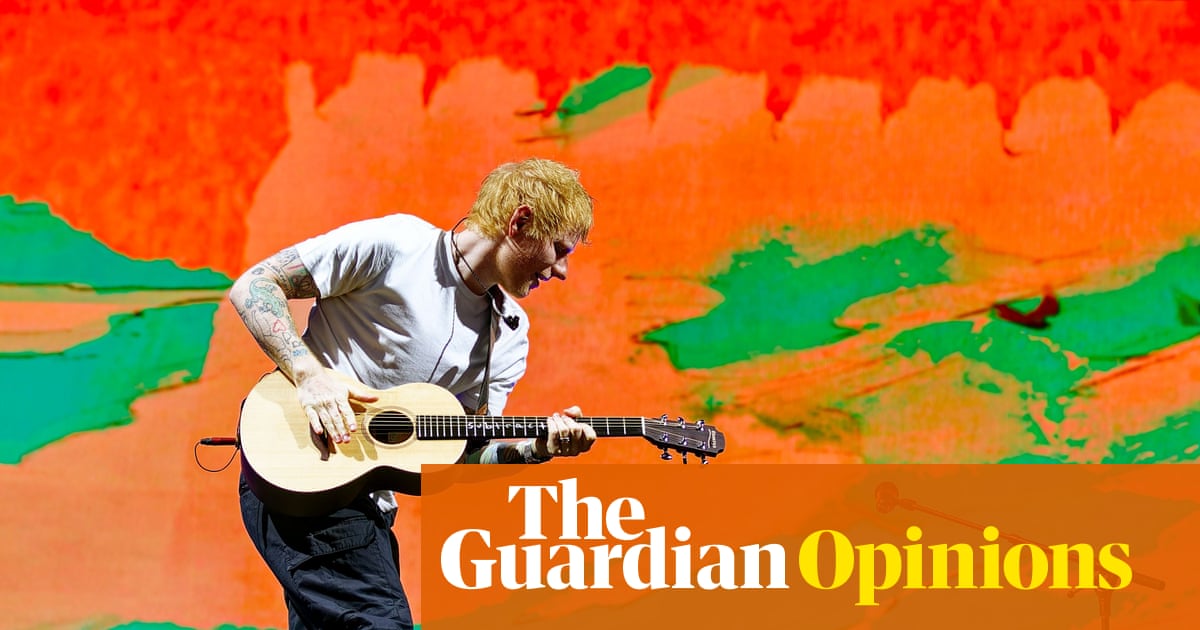
It’s all very 2026: with a stadium owner on one side and angry support acts on the other, the cornered star will have to pick a sideEd Sheeran, seeking to stay out of politics, has become, in this moment, the most political artist in the world. And in trying to leave himself room to manoeuvre, he has backed himself into a corner. Since the rapper Macklemore was dropped as a support act on Sheeran’s Loop tour on Monday, every other opening act has pulled out. Finneas O’Connell kept it brief on Tuesday: “Artists must not be silenced when they speak up for the oppressed. I stand with Palestine and its people.” Aaron Rowe was already out, saying: “I cannot stand by and allow billionaires to use their position of power to silence … rightful voices.”Beoga, Sheeran’s actual backing band, then pulled out, along with the Danish band Lukas Graham, who probably made the mildest statement, managing to not even mention any countries: “We should be able to speak about war, about civilians being killed, about children who deserve to grow up. Wherever they live. Whatever flag flies over them.”Zoe Williams is a Guardian columnistDo you have an opinion on the issues raised in this article? If you would like to submit a response of up to 300 words by email to be considered for publication in our letters section, please click here. Continue reading...

Guardian columnists and writers on what they’ve been debating, thinking about, reading, and more Continue reading...